
Leanne Abeyance's Experience in Turkey
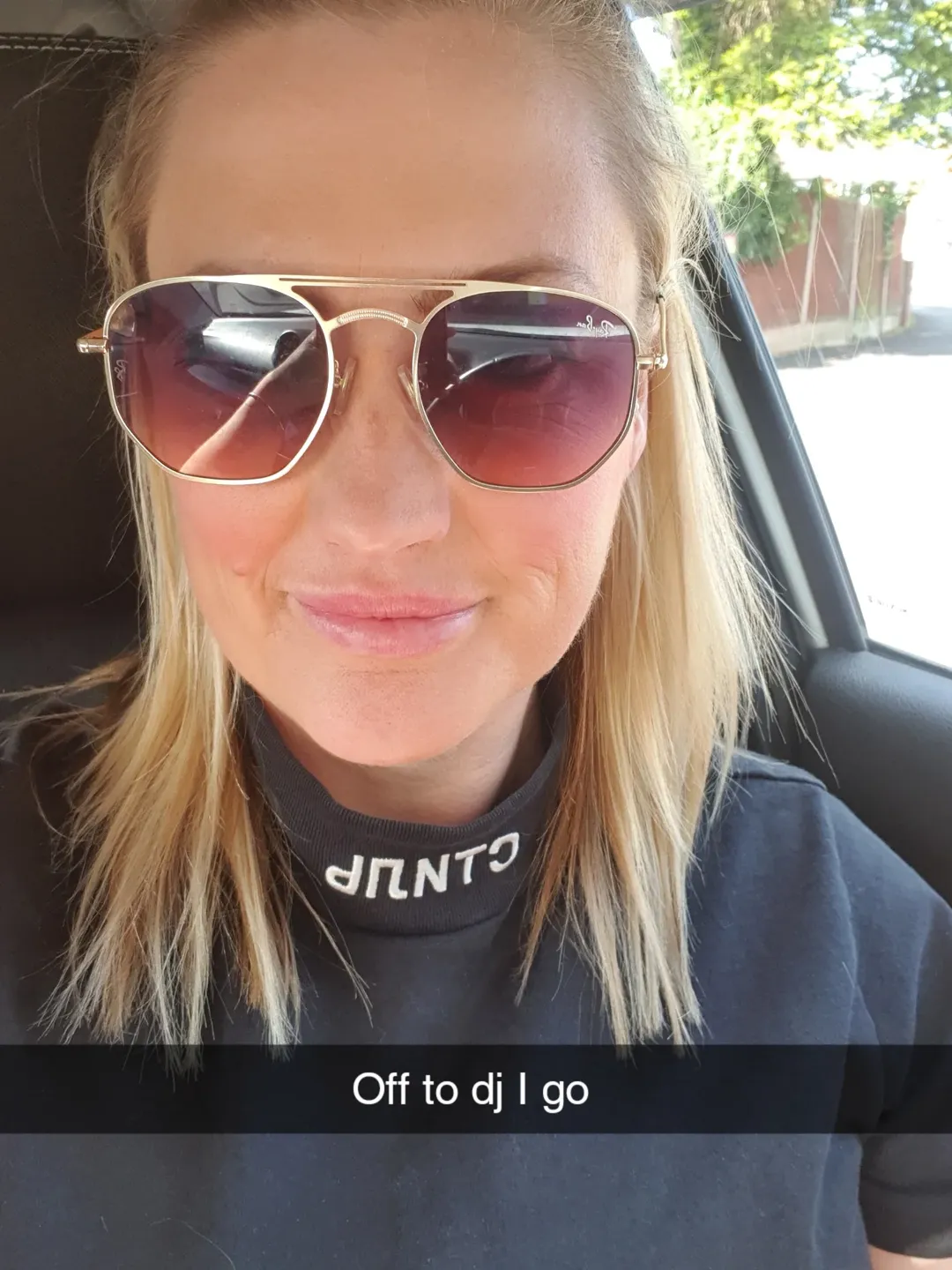
The rapid expansion of dental tourism in Turkey has heightened the risks of selecting an appropriate clinic. The recent case of British DJ Leanne Abeyance, highlighted by The Sun, shows that insufficient clinical standards and unethical practices can lead to serious and life-changing complications.
The Turkish government reports that between 1.4 and 1.5 million international patients seek medical care in Turkey each year. Approximately 15-25% of these patients opt for dental treatment in Turkey. On a yearly basis, this amounts to about 250,000 individuals seeking dental care in our nation.
Serious problems experienced during treatment;
Leanne Abeyance was one of the many hundreds of thousands of people who go to Turkey every year to get dental work done. Having previously lived in Turkey and being familiar with the country's healthcare services influenced her decision to choose this country again for treatment. Leanne contacted a dental clinic in Antalya for treatment, and her initial consultation and the extraction of all her teeth were completed within just two days.
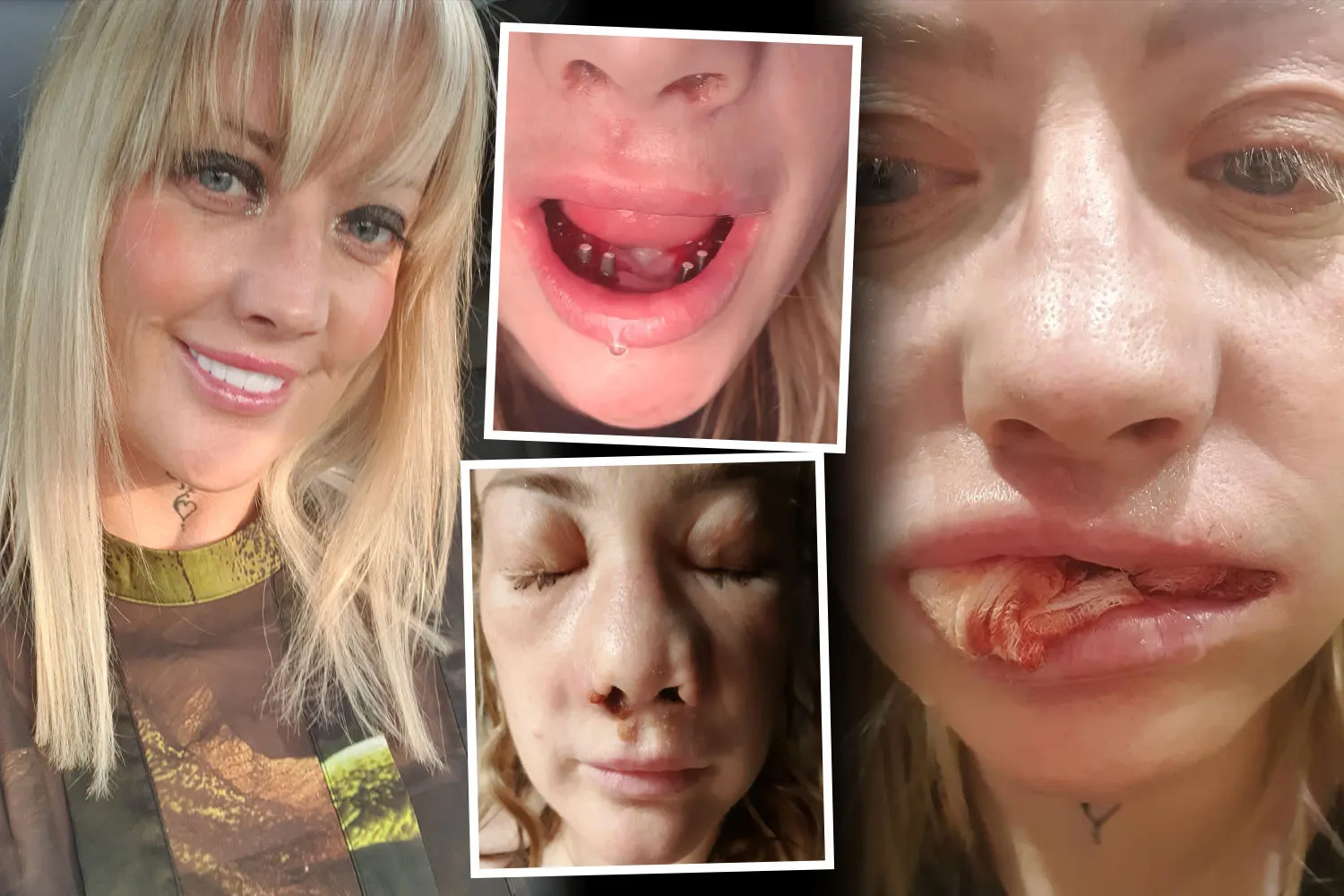
Leanne states that, despite receiving approximately 20 injections of local anaesthetic during the procedure, she distinctly recalls experiencing pain throughout the operation. It appears that the anaesthetic was insufficient and that the treatment should have been stopped and a new appointment given for another day. Instead, the pain was temporarily reduced, and treatment continued.
Leanne described her sinus lift surgery as "being hit over the head with a hammer," which made it torture. Despite this difficult process, the implants were placed and the treatment was completed. Unfortunately, this was only the beginning, and the most serious problems had yet to emerge.
Post-treatment complications
Despite Leanne's excruciating facial bruising and swelling, she had to endure a lengthy flight in the aftermath of treatment. While she was healing and waiting for the implants to fuse with her jawbone, she started to feel more pain and noticed a deformity in her nose. When the pain reached an intolerable level, Leanne requested assistance from the National Health Service.
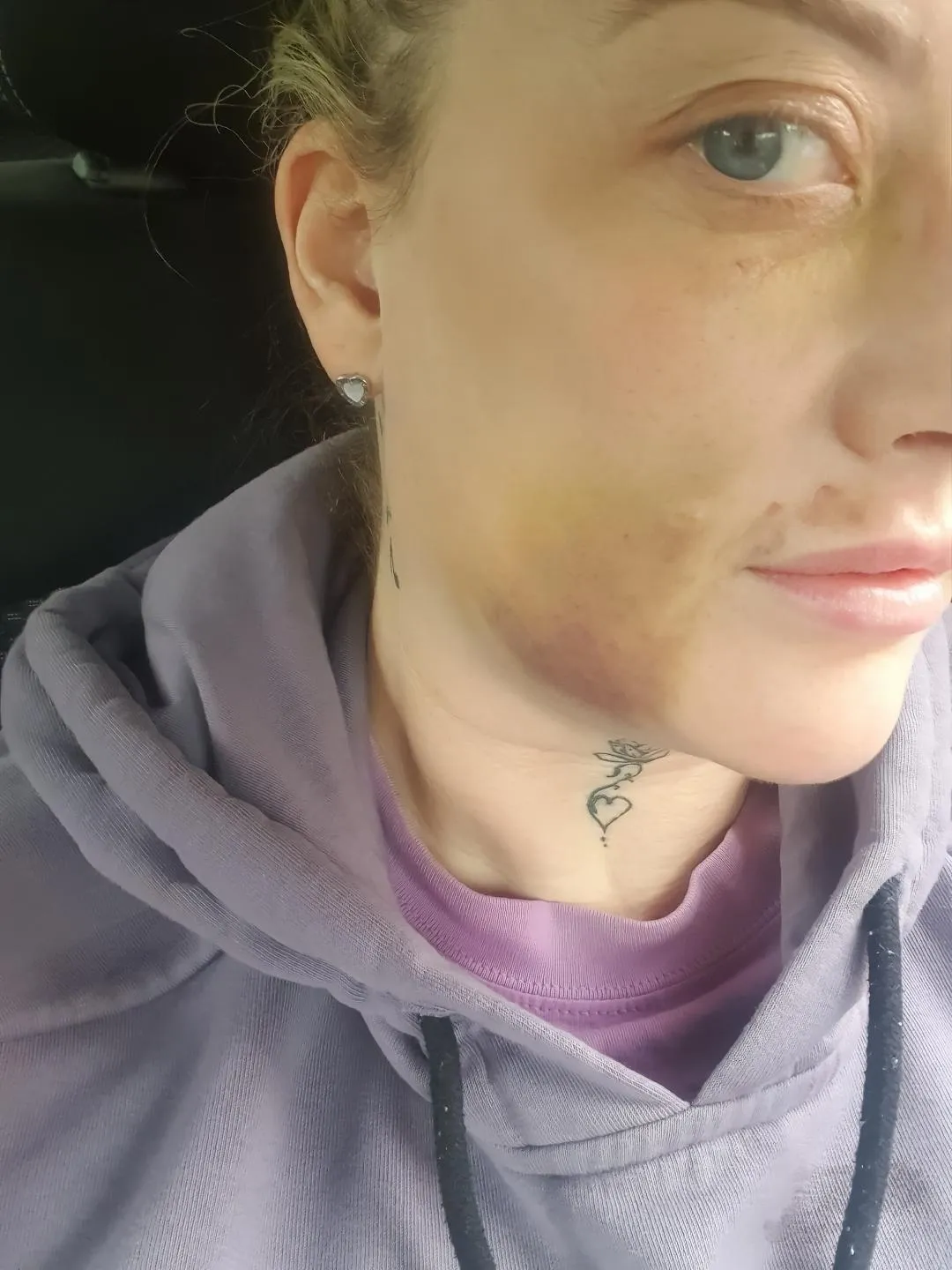
But the NHS wouldn't pay for her treatment because they thought it was only for cometic reasons. Leanne overcame the problem with private dentists. The results of the 4D imaging revealed that one of the implants had pierced the nasal tissue, while another had advanced into the sinus cavity.
It was discovered that two implants had penetrated the nasal tissue and progressed into the sinus cavity. Unfortunately, the infection was spreading too quickly and was affecting the area surrounding the nostrils, making implant removal impossible. Fortunately, due to the effective medication she was prescribed, the progression of the infection was significantly contained. Leanne is now awaiting a consultation with a maxillofacial surgeon to have the implants removed.
The importance of publicly identifying the clinic involved
Unfortunately, this terrible incident happened at a dental clinic in Antalya, Turkey. We feel that it is critical to identify the offending clinic so that the public can seek redress and avoid future incidents of this kind. We are grateful that The Sun named the clinic and asked it to respond publicly to the accusations. However, it is hard not to question why other media outlets and articles have chosen to avoid clearly naming the clinic involved.
Looking beyond ratings: The importance of careful clinic research
Leanne Abeyance says that a friend of hers suggested this clinic to her. However, more thorough and independent research may have prevented these serious issues. Even though the clinic has a good rating overall, it's worth noting that the complaints shared by unhappy patients are really serious. Had such feedback been examined in greater detail, it is highly probable that this clinic would not have been chosen.
Therefore, it is essential for patients to consider not only the overall ratings but also the specifics of negative reviews, post-treatment concerns, and recurring complaints.
Result
Therefore, the case of Leanne Abeyance clearly shows how important it is to make well-informed decisions when it comes to dental tourism. Extremely low-cost treatments may indicate compromised clinical standards, rushed procedures, or insufficient post-treatment care.
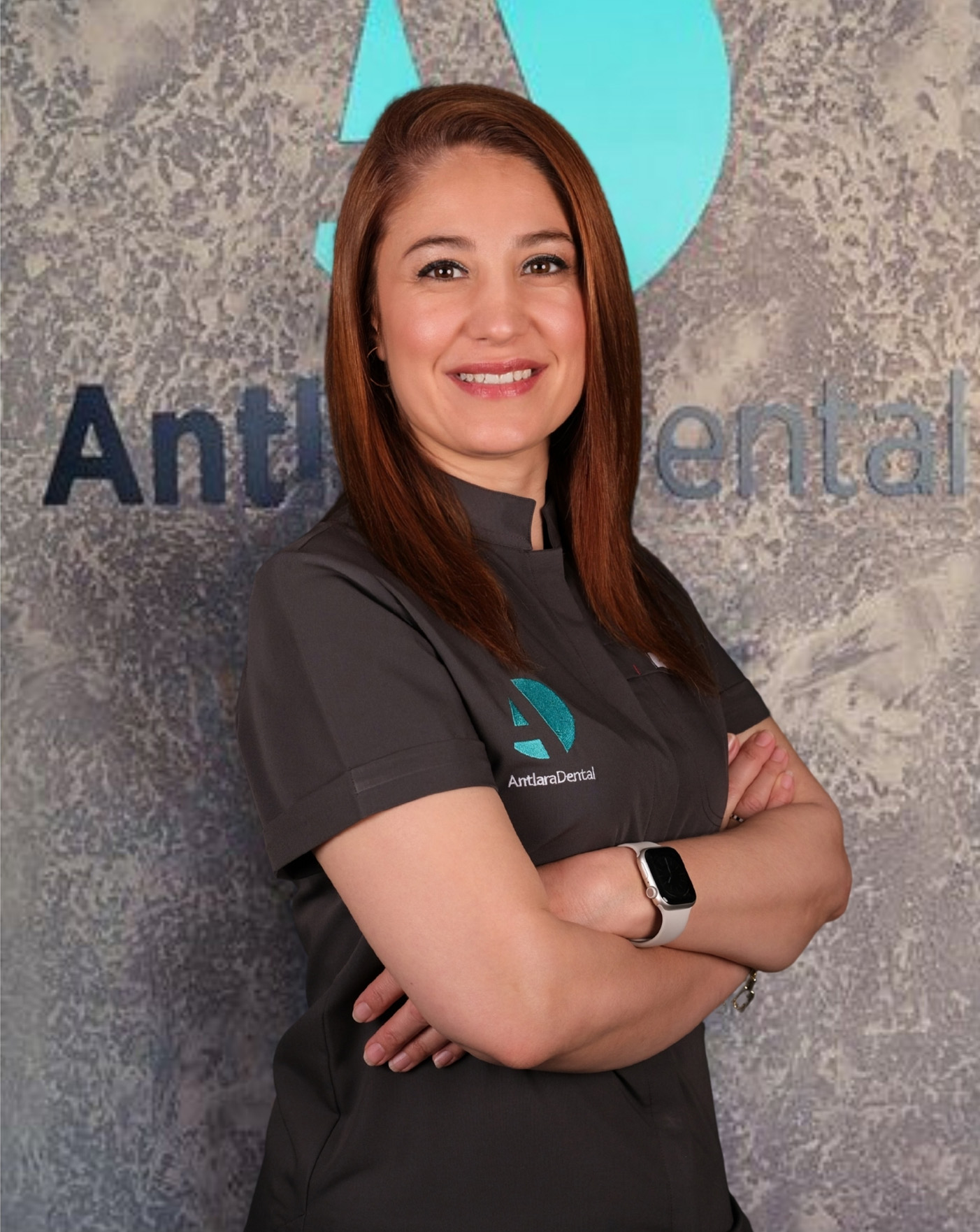
Dt. Dilek Aksu Güler
Cosmetic Dentist, Dental Implant Specialist
Dt. Dilek Aksu Güler specializes in implantology, digital smile design and cosmetic dentistry. She is the founding dentist of Antlara Dental Oral and Dental Health Clinic.