
Periodontal Treatments
Periodontal is the medical term for inflammation around the teeth; it is also known as gum disease. During their proliferation, the immune system reacts, causing inflammation. A gum disease erodes the gum and bone that surround your teeth, eventually resulting in decay and tooth loss. Especially before implant treatments such as standard implant, All on 4 and All on 6, gingival problems should be eliminated.
Get a free quote2-6 HOURS
START FROM $100
5 YEARS
2-6 MONTHS
Periodontal Treatments; Types and Costs
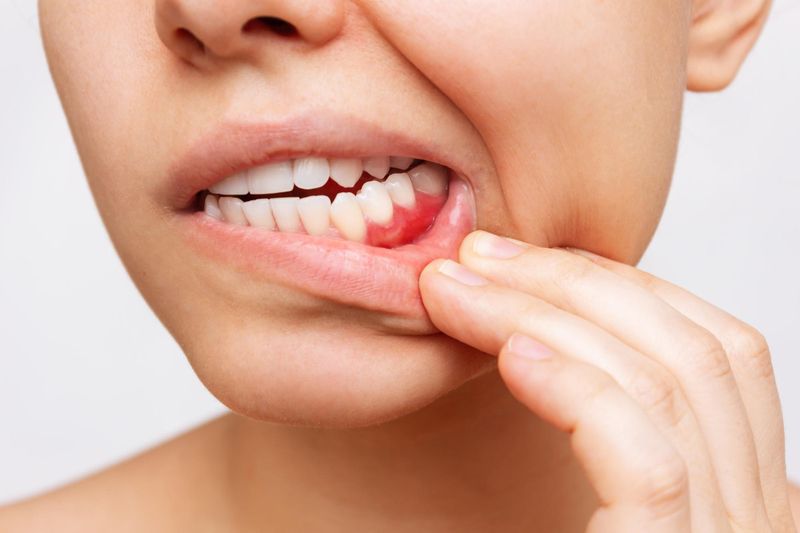
Periodontal gingival diseases have a great impact on tooth loss. Most of the tooth loss in adults is due to periodontal diseases. Early diagnosis of these diseases is vital.
Periodontal disease that sneaks into our mouths shows its first symptoms with gingivitis (swelling in the gums). Bleeding in the gums increases, and volumetric growth is observed. When left untreated, they leave irreversible damage to the alveolar bones that support the teeth.
What Is Periodontal Treatment?
Periodontal is the medical term for inflammation around the teeth; it is also known as gum disease. During their proliferation, the immune system reacts, causing inflammation. A gum disease erodes the gum and bone that surround your teeth, eventually resulting in decay and tooth loss.
What Does Periodontal Treatment Include?
It is possible to reverse gum disease if found in its earliest stages, but once it has progressed, it is not so easy. If gingivitis is left untreated, this can progress to periodontitis, which could cause tooth loss and other health problems. Periodontal diseases fall into several categories, including:
Gingivitis
Gingivitis occurs in people who do not care about the hygiene of their teeth. Gums are red, swollen, and bleed easily. With professional treatment and care, the gums return to their former state.
Periodontitis
They penetrate the lower part of the gum and threaten teeth and jawbone. There may be chronic bad breath, receding gums, and pus-filled gingival pockets caused by infection.
Aggressive Periodontitis
A rapid and progressive form of periodontitis in which the gingival tissue and the ligaments that attach your teeth are destroyed.
Chronic Periodontitis
A condition in which the gum tissue around the teeth and the bones are inflamed, and bone is lost. This form is characterized by gingival pocketing and gum recession.
Systemic Periodontitis
It is the outcome of gum infection due to systemic diseases such as;
- Diabetes
- Heart disease
- Respiratory disease
How Much Periodontal Treatment Cost?
The costs for non-surgical periodontal disease treatment depend on a number of factors, including;
- The extent of gum disease,
- In periodontal treatments the mouth is pided by 4 quadrants and pricing is made accordingly,
- Which treatments method are necessary,
- The number of sessions.
You can examine the most common periodontal treatments costs in the table below.
| UK | USA | Turkey | |
| Periodontal Treatments (60 minutes) | £150-£250 | $400-$800 | £80-£150 |
| Laser Periodontal Treatment (4 sessions) | £1400-£2000 | $3000-$5000 | £200-£300 |
| Deep Cleaning | £250-£500 | $500-$800 | £100 |
Periodontal Disease Symptoms
The following are signs of periodontal disease;
- Bleeding gums,
- Red or inflated gums,
- Any shift in the way your teeth fit jointly when you chew,
- Loose teeth,
- Nasty breath or taste,
- Unbearable chewing,
- Susceptible teeth.
Periodontal Treatment Turkey
Turkish dentists are well-known worldwide for their excellent qualifications, expertise, and valuable experience. Every year, around 130 000 European tourists prefer Turkey only for dental treatments.
Dental treatment in Turkey is performed using the most contemporary, innovative facilities and equipment and conducted by internationally qualified, English-speaking dentists.
What a Periodontal Examination Actually Measures
Gum disease is diagnosed with measurements rather than with a glance, and the measurements are what decide which treatment you need. A clinic that quotes for periodontal treatment without charting your mouth first is quoting for a product rather than planning a case.
Pocket depth
A calibrated probe is walked around each tooth at six points, and the depth of the space between gum and tooth is recorded in millimetres. A healthy sulcus measures 1 to 3 mm. Anything deeper is a pocket, and a pocket is a space you cannot clean at home no matter how carefully you brush, which is precisely why professional treatment is needed.
Bleeding on probing
Whether a site bleeds when probed is recorded separately from the depth. It is the most useful single sign of active inflammation, because a deep pocket that does not bleed is usually stable while a shallow one that bleeds is not.
Recession and attachment loss
How far the gum has moved down the root is measured and added to the pocket depth. The total tells the dentist how much support the tooth has actually lost, which is the number that predicts whether a tooth can be kept.
Mobility, furcation and radiographs
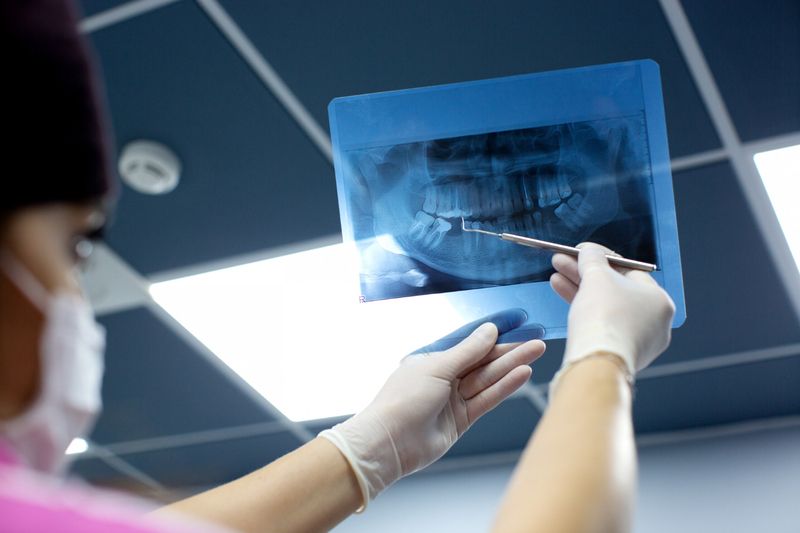
Looseness is graded, the spaces between the roots of molars are checked, and radiographs show the bone level around every tooth. Together these answer the question patients really want answered: which teeth are safe, which are treatable, and which are not worth saving.
You are entitled to see this chart. Ask for a copy, because it is the baseline against which any improvement after treatment is measured.
Non-Surgical Periodontal Treatment
This is where treatment starts for almost everyone, and for most patients it is where it finishes. The aim is to remove the bacterial deposits from the root surfaces below the gum so that the inflamed tissue can heal and reattach.
Scaling and root planing
Hardened deposits are removed from the crown and from the root surface inside the pocket, using ultrasonic instruments and hand instruments together, and the root is left smooth so plaque finds it harder to re-form. It is done under local anaesthetic, usually over two to four appointments by area of the mouth rather than all at once. This is deeper and slower work than a routine clean. Our deep dental cleaning page covers the procedure in detail.
Curettage
Where the lining of the pocket is heavily inflamed, the diseased soft tissue on the inner wall is removed along with the deposits. Our page on dental curettage treatment explains when this is added.
What happens afterwards
The gums shrink slightly as the swelling settles, which is normal and expected, although it can make teeth look a little longer and leave them sensitive for a few weeks. Pockets become shallower, bleeding stops, and the tissue firms up. The mouth is re-charted six to eight weeks later and the new measurements are compared with the baseline. That re-assessment is the point of the exercise, and a clinic that does not schedule one has no way of knowing whether the treatment worked.
When Surgery Is Needed, and What It Involves
If pockets remain deep and keep bleeding after non-surgical treatment and good home care, instruments can no longer reach the base of the pocket, and surgery becomes the way to get access. Surgery is a second step rather than a first option, and a clinic proposing it before non-surgical treatment has been tried and re-assessed is worth questioning.
Flap surgery
The gum is lifted back as a flap so the root surfaces and the bone can be seen and cleaned directly, then repositioned and sutured, usually at a slightly lower level so the pocket is shallower afterwards. It is done under local anaesthetic.
Regenerative procedures
Where bone has been lost in a contained, well shaped defect, bone graft material and a barrier membrane can be placed to encourage the body to rebuild some of what was lost. This works in specific defect shapes rather than everywhere, which is why it is planned from radiographs and confirmed during surgery rather than promised beforehand.
Gum grafting for recession
Where the gum has receded and exposed root, tissue can be moved or grafted to cover it. This is done for sensitivity, for root decay risk and for appearance. Our page on what helps with gum recession sets out the options, including the cases where grafting is not the answer.
Crown lengthening
Where a tooth has broken near the gum, or where a gummy smile is being corrected, gum and sometimes a little bone are reshaped so that a crown has enough tooth to grip or so the tooth shows at the right proportion. This is also the step that is skipped in rushed smile makeovers, which is one reason crowns on some treated patients look short and the gums stay inflamed.
Periodontal Maintenance: Why Every Three Months, Not Every Six
Periodontal disease is controlled rather than cured. The bacteria that caused it are not eliminated from the mouth, and the pockets that were treated are the places they return to first. This is the part of the treatment that decides whether the result holds, and it is the part most often left out of a quote.
After active treatment, the normal recall for a patient with a periodontal history is every three to four months rather than the usual six, because studies of treated patients show that the bacterial population in a pocket rebuilds within roughly three months. A maintenance appointment is not a polish. It is a re-charting of the pockets, removal of deposits from the sites that have relapsed, and a decision about whether anything needs re-treating.
What you control at home
- Cleaning between the teeth every day. A toothbrush does not reach the surfaces where periodontal disease progresses. Interdental brushes sized to your gaps do more here than floss for most treated patients.
- Stopping smoking. Smoking is the strongest modifiable risk factor in periodontitis. It also masks the warning sign, because smokers' gums bleed less, so the disease advances more quietly.
- Controlling diabetes. The relationship runs both ways: poorly controlled blood sugar worsens gum disease, and active gum disease makes blood sugar harder to control.
- Reporting changes. New bleeding, a tooth that starts to feel loose, or a gum boil needs looking at rather than waiting for the next recall.
If you had your treatment in Antalya and live abroad, maintenance happens with your dentist at home. Ask us for your periodontal chart and radiographs so they have the baseline to compare against.
Can You Have Veneers, Crowns or Implants if You Have Gum Disease?
This is one of the most common questions we are asked by patients planning cosmetic work in Turkey, and the answer is the same in every case: not until the gum disease is treated and confirmed stable. That is not a sales obstacle, it is the reason some smile makeovers fail within a couple of years.
Why it matters for crowns and veneers
The margin where a crown or veneer meets the tooth sits at the gum line. If the gum is inflamed it bleeds and weeps during preparation and bonding, which compromises the seal. If the gum then recedes, that margin becomes visible as a dark line and the root below it is exposed. The restoration has not failed; it was placed against a moving target. Teeth being restored also need to be worth restoring, and a tooth with advanced bone loss is not a sound foundation for a crown whatever it looks like on the surface.
Why it matters even more for implants
Placing an implant into active periodontal disease invites the same bacteria to attack the implant, and peri-implantitis progresses faster around an implant than periodontitis does around a natural tooth, because an implant has no periodontal ligament and no equivalent defence. The sequence is to treat the gums, confirm they are stable, then plan the implant. Our page on dental implants with gum disease goes through this in full, and All-on-4 treatment follows the same rule.
What this means for your trip
Gum treatment and the healing that follows take weeks, not days. If your photographs and x-rays show periodontal disease, we will say so before you book flights rather than on the morning of your appointment, and the plan will usually be staged across two visits. A clinic that agrees to place twenty crowns on untreated gums in a single week is making the problem invisible rather than solving it, which is a large part of what people mean when they talk about Turkey teeth gone wrong.
Periodontal Treatments FAQ
Periodontal Treatments - AntalyaPeriodontics diseases should be treated in their early phase because they damage the jawbones and tooth roots. In cases of delayed interventions, they may cause tooth loss.
In the first stage of the disease, germs are not spread to the lower part of the gum, the disease can be prevented by oral care and mouthwashes. However, in the advanced stages, professional intervention is required.
Periodontal diseases usually progress extremely slowly, so they may not cause tooth loss in many patients. However, many patients also lose their teeth due to periodontal diseases.
In periodontics treatment, including laser treatments, local anesthesia is usually applied, and no pain or ache is felt during the treatment. In laser applications, the healing period is faster, and the sensitivity of the gums after treatment is less than in conventional therapies.
Peridontology has been established as a branch of dentistry for the continuation of healthy gums in order to eliminate all discomforts occurring in the gums and gums, and has become a branch of medicine where aesthetic and cosmetic gum operations are also performed.
Periodontal Treatment: Questions Patients Ask Us
The questions that come up most often about gum treatment before cosmetic or implant work.
Not until the gum disease is treated and confirmed stable. The margin of a crown or veneer sits at the gum line, so inflamed gums bleed during preparation and bonding and compromise the seal, and gums that recede afterwards expose a dark margin and the root below it. Treating the gums first usually means staging the work across two visits rather than compressing it into one week.
Not while the disease is active. Placing an implant into active periodontal disease invites the same bacteria to attack it, and peri-implantitis progresses faster around an implant than periodontitis does around a natural tooth, because an implant has no periodontal ligament. The sequence is to treat the gums, confirm stability, then plan the implant. Patients with a periodontal history can have implants successfully, but they need closer maintenance afterwards.
A routine clean removes deposits from the visible surfaces above the gum. Scaling and root planing works below the gum, inside the pocket, on the root surface itself, and leaves that surface smooth so plaque re-forms more slowly. It is done under local anaesthetic, usually across two to four appointments by area of the mouth, and it is followed by a re-charting six to eight weeks later.
A healthy space between gum and tooth measures 1 to 3 mm. Anything deeper is a pocket you cannot clean at home however carefully you brush. Depth alone is not the whole picture though: whether the site bleeds when probed matters just as much, because a deep pocket that does not bleed is often stable while a shallow one that bleeds is actively inflamed.
The inflammation settles and the tissue firms up, but gum that has already receded does not grow back on its own, and bone that has been lost does not return by itself. In fact gums usually shrink slightly after treatment as the swelling resolves, which can make teeth look longer for a while. Where coverage is needed, grafting can replace lost tissue, and in specific defect shapes regenerative procedures can rebuild some bone.
Because the bacterial population inside a treated pocket rebuilds within roughly three months, and the sites that were treated are the first ones to relapse. A periodontal maintenance appointment is not a polish: the pockets are re-charted, the relapsing sites are cleaned, and a decision is made about whether anything needs re-treating. This is the part of the treatment that decides whether the result holds.
The treatment itself is done under local anaesthetic, so it should not be painful at the time. Afterwards the gums are usually tender for a few days and the teeth can be sensitive to cold for a few weeks as the gum tightens and a little root becomes exposed. That sensitivity settles in most people and a desensitising toothpaste helps while it does.
Gingivitis, the earliest stage, is reversible with treatment and good home care. Periodontitis, once bone has been lost, is controlled rather than cured: the inflammation can be stopped and the teeth kept for decades, but the lost support does not simply return and the condition can relapse without maintenance. This is why a periodontal patient stays on a maintenance programme rather than being discharged.
Ask for your periodontal chart from before and after treatment, your radiographs, and a written note of what was done at each site. Maintenance happens at home, and your dentist can only tell whether a pocket is relapsing if they have the baseline numbers to compare against. Without the chart, your next clinician is starting from scratch.

Dt. Dilek Aksu Güler
Cosmetic Dentist, Dental Implant Specialist
Dt. Dilek Aksu Güler specializes in implantology, digital smile design and cosmetic dentistry. She is the founding dentist of Antlara Dental Oral and Dental Health Clinic.