
The recovery of soft tissues after a dental implant is also the time when implant discomfort is most intense. In particular, the first two or three days might be the worst for swelling, sensitivity, and minor discomfort. Thankfully, with the right medicine, this discomfort usually goes away on its own. In this article, we will go over how to ease the pain after dental implant surgery and what to look out for to heal faster.

How long does the pain last after a tooth implant?
The anaesthetic will take effect shortly after your implant surgery, so you won't feel any pain for a few hours. After the anaesthesia wears off, however, you should expect some discomfort in the area around the implant. Within the first two to three days following surgery, you can expect the most severe side effects, including pain, swelling, minor bleeding, and bruising, as your body reacts to the incision. Taking the prescribed pain medication, using cold compresses, and getting plenty of rest are all crucial during this time.
As time goes on in the first week, you should feel less pain and swelling. Most patients report substantial improvement and a decrease in their pain medication requirements beginning on day four. In most cases, you should feel nearly normal again after 7 to 10 days, with only mild sensitivity when eating or speaking. Once the gum tissue surrounding the implant site has healed, it will close significantly during this period.
By the end of two weeks, it is expected that you will no longer feel pain at the implant site when at rest; only slight sensitivity may be felt when pressure is applied to the area. Swelling and bruising are also expected to disappear completely during this period.
Tips for easing pain after an implant
The following tips can reduce pain and speed up healing in the days after the implant:
Use of painkillers

For pain management following an implant, over-the-counter medications like ibuprofen or paracetamol (Tylenol) are typically adequate. In situations where there is extremely severe pain after implant treatment, opioid-type narcotic painkillers may also be used temporarily. But for pain management after dental surgery, the American Dental Association (ADA) states that ibuprofen and paracetamol work better than opioids. [1]
Cold compress application
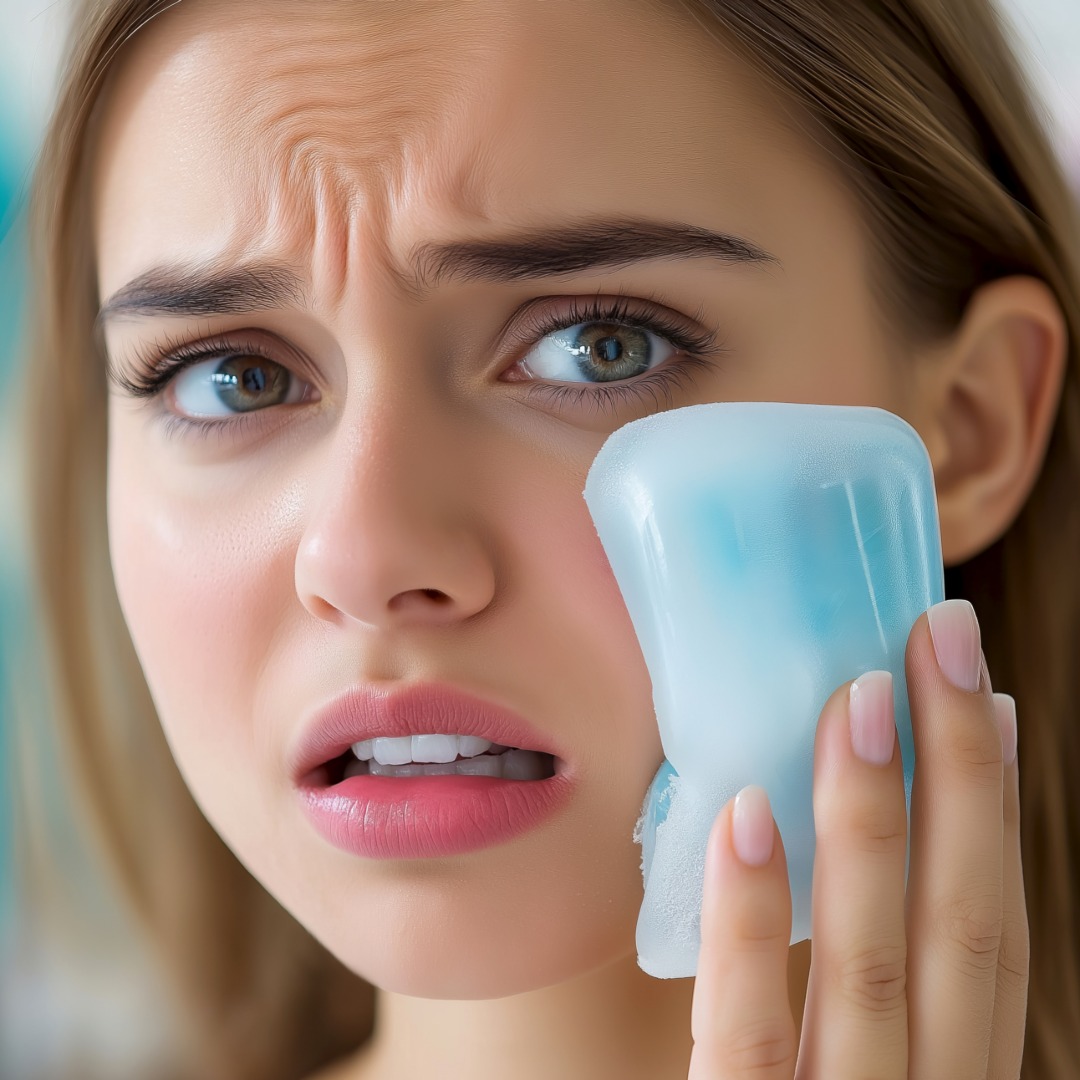
For the first twenty-four to forty-eight hours following dental implant surgery, it is advised to apply cold compresses intermittently. You'll need to apply cold for 15 minutes in 20-minute intervals.
Keep your chin up and relax

Maintaining an elevated head lowers blood pressure near the implant. This will improve your quality of sleep at night. For the first two to three days, stay away from intense physical activity and give your body time to recover. In the early stages of recovery, heart-rate-raising exercises may cause pain and bleeding.
Consume soft and warm foods

It is important to avoid eating hard foods after getting implants because they can impede the healing process of wounds. This is why, in the first week, it's best to stick to yoghurt and foods that are either warm or cold. Be careful around hot foods and drinks; they can irritate wounds and even cause bleeding around implants. Your patience for the first week following treatment will pay dividends for the rest of your life.
Pay attention to oral hygiene
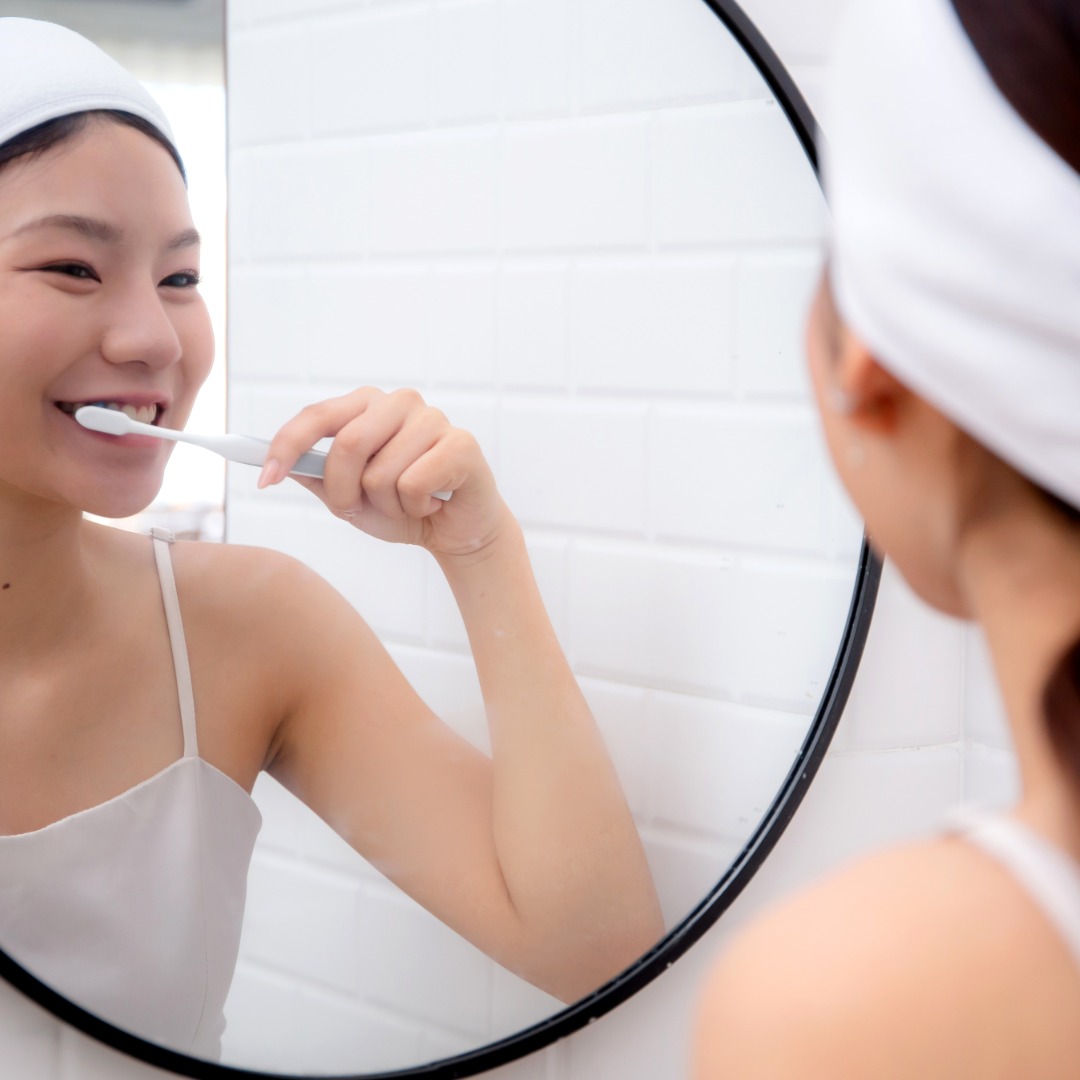
Maintaining proper oral hygiene is essential for preventing infection and postoperative discomfort. On the initial day, refrain from spitting or rinsing your mouth. Rinse your mouth carefully with salt water several times daily beginning the following day. This rinse will cleanse the area and expedite healing when combining half a teaspoon of salt with one cup of warm water. Begin using an antiseptic mouthwash (such as chlorhexidine) 24 hours post-surgery, and rinse your mouth twice daily for two weeks if it has been prescribed by your physician.
Use a night guard (dental protector)
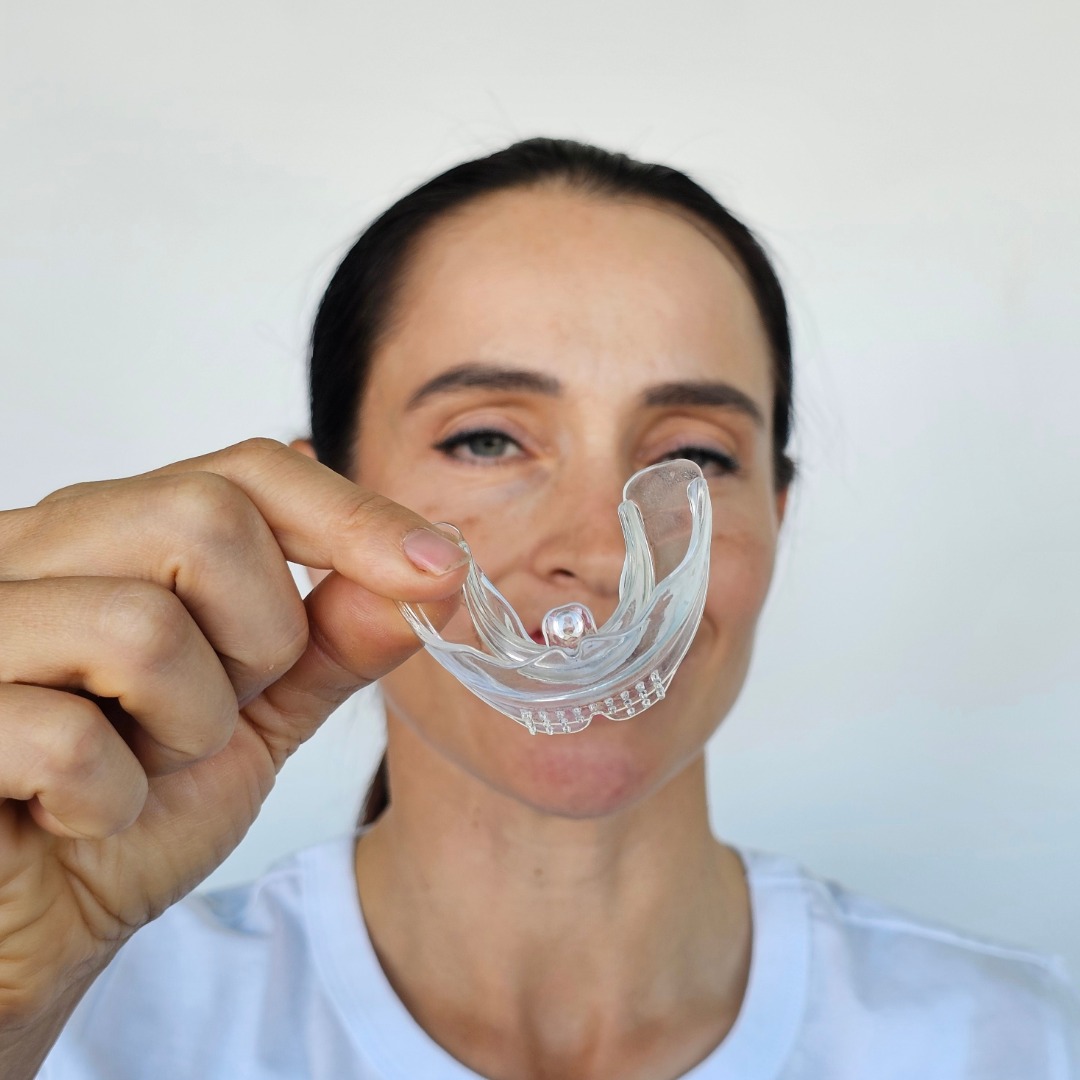
If you've recently had dental implant surgery, you may find that you clench or grind your teeth while you sleep because your subconscious mind thinks the implant is foreign. A night guard can prevent overloading of your dental implants by absorbing the excessive forces produced by teeth clenching. Damage to the implant superstructure or poor bone integration can result from nighttime clenching.
Stay away from cigarettes and tobacco

Smokers should quit or abstain during recovery. Nicotine and tobacco shrink blood vessels, reducing wound blood flow. This prolongs pain and slows healing. Furthermore, smoking can make the implant fail and makes infections more likely.
General health
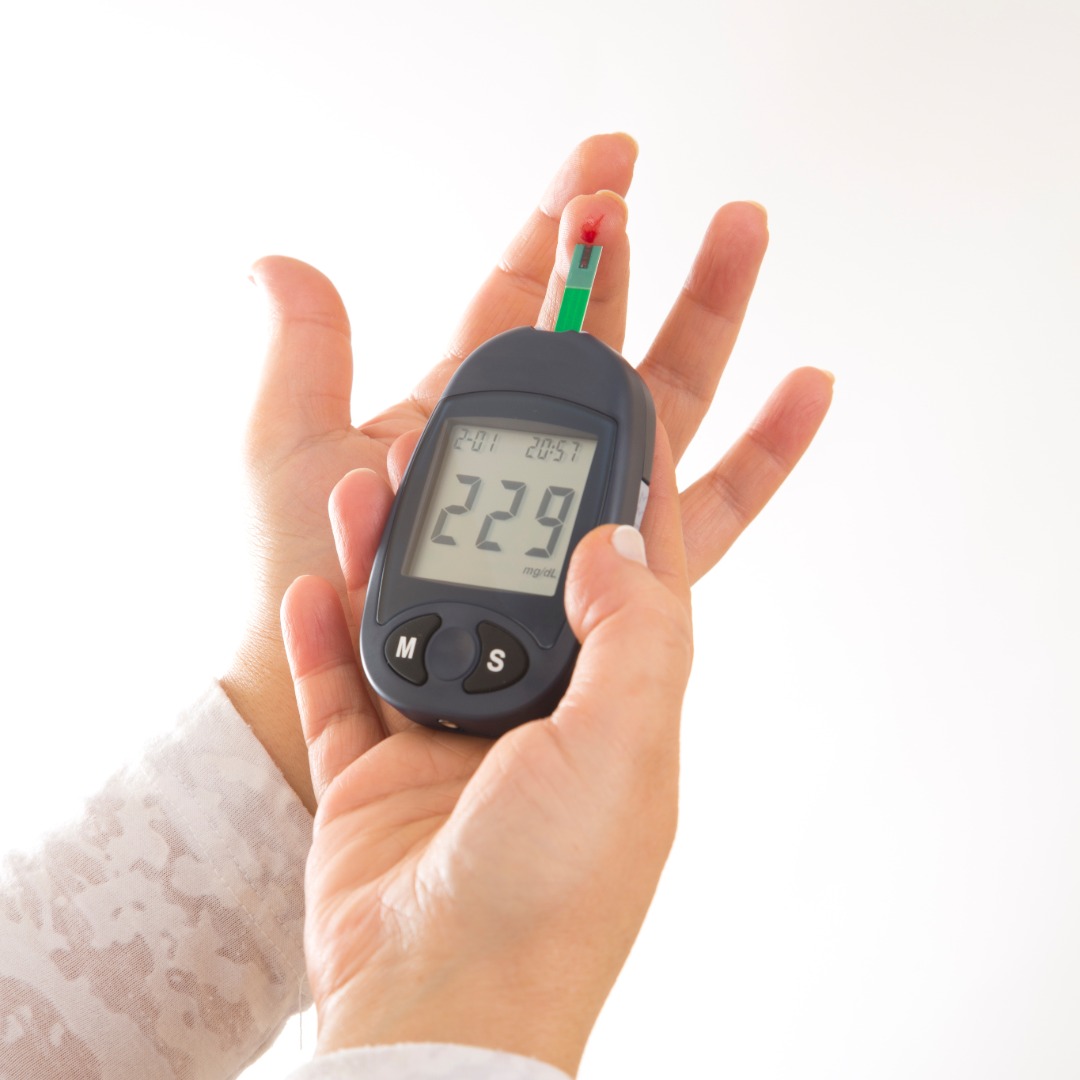
Conditions like diabetes and high blood pressure can slow down the healing of wounds near the implant. These are examples of autoimmune disorders. Keeping your blood sugar steady and your blood pressure high with medicine will help you get better faster. An ideal 3-month average, or HbA1c, level for a person with diabetes is between 6.5% and 7.0%.
When after a dental implant can I resume normal habits?
Swelling and pain are most severe during the first 48 hours after dental implant surgery. For the time being, it's best to stay out of things that get your heart rate up, like running, sports, and heavy lifting. Being too active might cause the stitches to come undone and the bleeding around the implant to worsen.
Usually, it's okay to slowly begin doing light activities after the third day. But intense sports like running, weight lifting, and fitness should be put off for at least 7 to 10 days. Also, you shouldn't do yoga, Pilates, or anything else that involves headstands. These activities may also raise blood pressure in the area of the implant. If you want to swim after getting the implant, you should wait until your stitches are taken out or have healed. This is because swimming can cause the hurt area to get infected.
How long after dental surgery can I go back to work?
How long it takes to go back to work after getting implants depends on how physically demanding your job is. There shouldn't be any issues for an office worker to go back to work after two days. Having said that, it is advised that individuals who work in an unclean and physically demanding environment take a week off.
Eating after dental implant surgery?
Following dental implant surgery, the surgical site's tissues are delicate both during the healing of the wound and later when the implant osseointegrates into the jawbone. Your eating habits will need to change for the time being. Here are some things to think about:
For the first 24 hours, consume only cold and soft foods
Until the numbness goes away after the operation, you shouldn't drink or eat anything. Stick to soft-textured foods that are lukewarm or cold for the first several days.
Avoid coffee and caffeine
It is best to wait at least a few days before drinking coffee and then consume it lukewarm. While coffee's diuretic effect won't directly harm implant healing, it might cause mild dehydration if you don't drink enough water.
Carbonated drinks

Carbonated drinks such as cola and soda create carbon dioxide bubbles in the mouth. This can dislodge the clot in the surgical area, just like vigorous shaking or spitting. Furthermore, their acidic nature can cause irritation in the sensitive area. Therefore, it is best to avoid consuming fizzy drinks during the first week. After that, drink them as slowly as possible and without a straw.
Alcohol

Alcohol, particularly strong beverages, can aggravate oral tissues and worsen bleeding. Additionally, alcohol can interact with antibiotics and painkillers, which are frequently used after surgery, and result in negative side effects. You should abstain from alcohol for a minimum of one to two weeks.
Avoid using pipettes (straws)

Drinking through a straw can dislodge the blood clot that protects the wound by creating a vacuum effect in the mouth. It is important to avoid using a straw for the first week following implant surgery because it can cause negative pressure. Consume liquids directly from a cup or with a spoon.
Milk and dairy products after implants

Certain proteins found in milk and dairy products promote bacterial growth in implant wounds, thereby disrupting clot formation. So, for a few days following implant treatment, it's best to avoid dairy products like milk, yoghurt, and cheese. You can swap out dairy products for plant-based protein sources, meat broth soups, and vegetable purée.
Avoid hard and grainy foods
For a few weeks following surgery, refrain from chewing on the side that has the implant. Some foods, like apples, walnuts, crisps, carrots, or nuts, can impede wound healing because they are hard or may leave little pieces behind. Do not put any sort of chewing pressure on the implant area for at least two weeks, and ideally six to eight weeks. Just remember that a tooth free of problems in the long run is the result of a little bit of patience now.
What happens if food gets into a tooth extraction site?
Food particles becoming lodged in the vicinity of the implant or between the sutures is a prevalent issue. In such a situation, do not attempt to remove them with sharp objects (toothpicks, needles, etc.). This may cause tissue damage. Instead, gently rinse your mouth with salt water; the particle will usually come out. Rinsing your mouth with water and gently moving stuck food with your tongue is safest.
Saliva and blood accumulation after dental implant
During the first few days following surgery, your mouth may produce bloody saliva. Don't spit this out violently. Instead, open your mouth, lean over a bowl, and let the fluid drain naturally. You can also use a gauze pad to gently dab away extra saliva. Frequent spitting can loosen the clot, despite the unpleasant taste of blood. Because minor bleeding may happen, place a towel on your pillow, especially while you're sleeping. During the first 24 hours, suppress your spitting reflex frequently; its suppression is essential for fast healing. If there is no blood in your saliva after the first day, you can spit normally.
How to care for the mouth after implant surgery?
For the first two to three days, the area surrounding the dental implant should be cleaned very gently. When brushing, use a toothbrush with soft bristles and avoid applying pressure to the stitches. As advised by the physician, antiseptic mouthwash (such as chlorhexidine) is typically started 24 hours later.
It is recommended to refrain from using auxiliary cleaning tools like dental floss, interdental brushes, and oral irrigators in the area of the implant for the first week. After two to three weeks, with the doctor's approval, you can begin using them, but only at low pressure.
On the other hand, the stitches and healing tissue may become irritated if you continuously probe the wound site with your tongue. The "oil pulling" technique is also inappropriate during healing because it can break up the clot and cause infection.
What to do after a sinus lift for implant?
Preparation for an implant may involve a sinus lift if the implant site is near the sinus cavity in the posterior region of the jaw. After this procedure, the most important rule is not to raise the pressure in the sinus. For the first two weeks after a cold or flu, it's best to keep your mouth open while you sneeze and stay away from anything that might irritate your sinuses. Additionally, you should never light up because doing so harms your sinuses and hinders your body's natural healing processes.
Furthermore, because air travel can change the pressure in your sinuses quickly, it's best to wait at least 2 weeks (sometimes 4 to 6 weeks) after sinus lifting before flying. Diving, on the other hand, creates a lot more pressure, so you shouldn't do it for about two months.
Frequently Asked Questions
Take a look at the frequently asked questions and answers that our patients have after getting dental implants down below.
How long does the pain last after the implant, and is this normal?
Pain and swelling peak within the initial 1-3 days; this phase can be alleviated with prescribed analgesics. By the conclusion of one week, the majority of patients experience minimal pain, with only slight sensitivity persisting in the vicinity of the implant. Minor discomfort may persist for 6-10 days, but it should progressively diminish. Typically, by the conclusion of two weeks, there is an absence of pain at rest.
Following the implantation, I experience increased pain upon awakening in the morning. Is this normal?
When we sleep, many of us clench our teeth or press on our jaws unconsciously, which can make that area more sensitive when we wake up. Wearing a night guard can prevent the clenching of the implants while you sleep.
How long should I take ibuprofen or paracetamol (Tylenol) after the implant?
During the first 48 to 72 hours following surgery, it is advised to take painkillers on a regular basis. This will help control the pain from the beginning, when the inflammatory reaction is at its peak.
How soon will antibiotics stop tooth pain?
Antibiotics typically begin to control an infection (such as an abscess or inflammation) within 48 to 72 hours of the implant, and the pain associated with the infection subsides as a result. During the first two days, you might not experience the effects of the antibiotics right away; use painkillers to ease your discomfort. If the microbe is sensitive and the right antibiotics are taken, infection-related pain will start to significantly lessen on the third day.
What happens if I stop taking antibiotics early after dental implant surgery?
For example, if you are prescribed 7 days, you should take it regularly for 7 days; if you are prescribed 10 days, you should take it regularly for 10 days. Stopping antibiotics early means that the infection may not be completely cured. If the medication is stopped before the germs are completely cleared, the remaining resistant bacteria can multiply and cause a more stubborn infection.
If the pain is very severe after a dental implant, is this a sign of infection?
Extreme, unmanageable pain following an implant is definitely not the norm. Infection-related symptoms typically include pain, increased facial swelling, warmth, and redness, as well as possibly fever, discharge, or an unpleasant mouth taste. However, there are other possible causes, such as a bone fragment (spicule) piercing the implant site, nerve irritation if it is close to a nerve, or the implant itself moving. Consult your dentist immediately, particularly if the pain intensifies after 72 hours and no remedies provide relief.
Is it normal for numbness to last for weeks after a dental implant?
In most cases, the effects of the local anaesthetic applied to the surgical site subside within a few hours. Because the nerve tissue is rarely worked on closely in lower jaw implants (particularly in the back region), numbness may last longer, though this is extremely rare. The numbness usually goes away after a few weeks in cases of minor nerve damage. Most people notice a marked improvement within two weeks, and the problem is usually completely gone after four to six weeks.
If there is nerve damage after a dental implant, will sensation return, and what can be done?
Implant placement rarely causes damage to the lingual nerve or the inferior alveolar nerve (n. alveolaris inferior). In such cases, symptoms such as numbness, tingling, and sometimes pain may occur in the affected area. The severity of the injury determines whether the nerve damage will be long-lasting.
The majority of nerve injuries are transient (neuropraxia), meaning the nerve is compressed, stretched, or minor damage occurs but is not severed. In this case, gradual recovery is expected within weeks. In more severe injuries, such as nerve transection, complete recovery may not occur. According to the research, if there is still no complete recovery after 3 months, there is a risk of incomplete healing. However, some cases have seen the return of sensation within 6-12 months.
Is it normal to have swelling on one side of my face/jaw after a dental implant?
Following surgery, swelling is very common, especially on the side where the implant is located. The swelling can occasionally even be seen from the outside. The body's natural inflammatory reaction typically peaks on the second or third day before starting to decline. In order to minimise swelling, apply ice within the first 24 to 48 hours; otherwise, the swelling may be a little more noticeable.
There is a dark red bubble-like appearance in the implant area. Is this normal?
After surgery, a dark red, purplish "bubble" may sometimes appear at the wound site. This type of bubble is usually a blood clot or a soft clot fragment called a "liver clot". A liver clot is a condition in which an insufficiently stable blood clot swells like jelly and protrudes from the wound site, commonly referred to as a "liver clot".
When can I exercise after the implant?
In general, take it easy for the first 2-3 days, then slowly start doing things again. For the first 48 hours, complete rest is suggested. You can do things like light walking starting on the third day if you feel okay. For at least one week, do not do any sports or exercises that are hard on your body. After surgery to put in an implant, your body should focus on healing. If you do a lot of exercise, your heart rate and blood flow may rise, which could disrupt the clot that formed and make things more swollen.
When can I start lifting weights again?
Patients often clench their teeth and hold their breath when they lift heavy weights, which raises intracranial pressure. During the first week, you should definitely refrain from lifting heavy weights. Actually, if at all possible, you should hold off for a week or two. It may be possible to resume light training with small dumbbells after 7-10 days, but it is advisable to wait two weeks before lifting heavy weights.
When can I drink alcohol after a dental implant?
You should not drink alcohol until you finish your antibiotics. Alcohol can cause serious reactions with some antibiotics (e.g. metronidazole), strain the liver, and reduce medication efficacy with others. Furthermore, alcohol is not advised for the first 3-5 days, even if you are not taking antibiotics. Alcohol can dilate blood vessels and increase bleeding, so drinking, especially within 48 hours, may cause bleeds or swelling. You can have wine or beer a week later once your stitches are taken out and everything is well.
What should I do if food gets into the implant cavity?
Until the tissue around your implant has fully healed, there may be small gaps where food debris can get trapped. Do not panic if such an event happens. By thoroughly washing your mouth with water or salt water, you can typically get rid of the debris. You can use a damp brush to gently sweep the area if it's stuck. If you have a fine-tipped oral irrigator, you can direct water at this area on the lowest setting (this should be done 1-2 weeks after surgery, not immediately). Do not try to remove debris with a spoon, toothpick, finger, etc., as this could cause the stitches to come apart or introduce bacteria.
What should I do when blood and saliva accumulate without spitting?
After surgery, don't spit out the bloody saliva that may build up in your mouth. You can open your mouth, lean over the sink and let the liquid run out naturally. Spit out the saliva by saying "aaaa" softly or simply opening your mouth and waiting; this will not damage the clot. Another method is to roll up a clean gauze pad and use it to absorb the saliva. Place the gauze pad in the corner of your mouth and close it, allowing the saliva to pass through the pad, then discard the pad.
How long should an antiseptic mouthwash be used after dental implant treatment?
The typical duration of use for chlorhexidine, the most common antiseptic mouthwash, is 10-14 days. Following implant surgery, dentists generally recommend using this mouthwash twice daily for a period of two weeks. Using it for longer than two weeks is not advised, as it may cause brown staining in the mouth and changes in taste; it may also excessively suppress oral flora over the long term. Therefore, you can discontinue use of the antiseptic mouthwash after two weeks.
When can a waterpik/oral irrigator be used after a dental implant?
Pressurised water flossers, such as Waterpik, are effective for cleaning interdental areas but should be used with caution on surgical wounds. They should certainly not be used during the initial two weeks, as the water pressure may compromise the clot and delicate tissue. Once the stitches have been removed and the soft tissues have closed (approximately 2-3 weeks later), it can be used at the lowest pressure setting and with a sensitive tip. Even then, full pressure should not be applied directly to the implant site. For the first few attempts, you can spray the water onto your cheek and wash indirectly.
My tongue keeps touching the implant; is this harmful?
Most people touch the stitches and area with their tongues after an implant, especially in the first few days. Sometimes lightly touching the implant is fine, but frequently playing with it using your tongue can be harmful. A strong tongue can accidentally pull stitches, dislodge a clot, or irritate healing gum tissue. Your tongue carries bacteria, so touching the wound site can spread it.
When is it safe to fly after dental implant surgery?
You probably won't have any issues on a flight a week after getting a single implant if you're feeling fine. But before you take to the skies, make sure to talk to your dentist. A good rule of thumb is to wait at least one week after a minor procedure and two to six weeks after a major procedure, like sinus surgery, before you can fly.
When can you go diving/scuba diving after a dental implant?
Even with a normal implant surgery, small air pockets may be present in the jawbone, and diving too soon can cause pain (called barodontalgia). If a sinus lift was performed, diving should definitely be avoided for 2 months.
Conclusion
Both your comfort and the success of your dental implant surgery depend on your awareness of pain management and post-operative care. In spite of any discomfort you may feel in the beginning, just know that it will only last for a short while. You can get back to your regular life with a healthy mouth if you carefully follow your dentist's instructions. In the days to come, may you be healthy enough to smile again with your new implant!
Sources
[1] American Dental Association (ADA) – guidance indicating ibuprofen + acetaminophen/paracetamol can be more effective than opioids for acute dental pain management.

Dt. Dilek Aksu Güler
Cosmetic Dentist, Dental Implant Specialist
Dt. Dilek Aksu Güler specializes in implantology, digital smile design and cosmetic dentistry. She is the founding dentist of Antlara Dental Oral and Dental Health Clinic.