
What helps with gum recession?
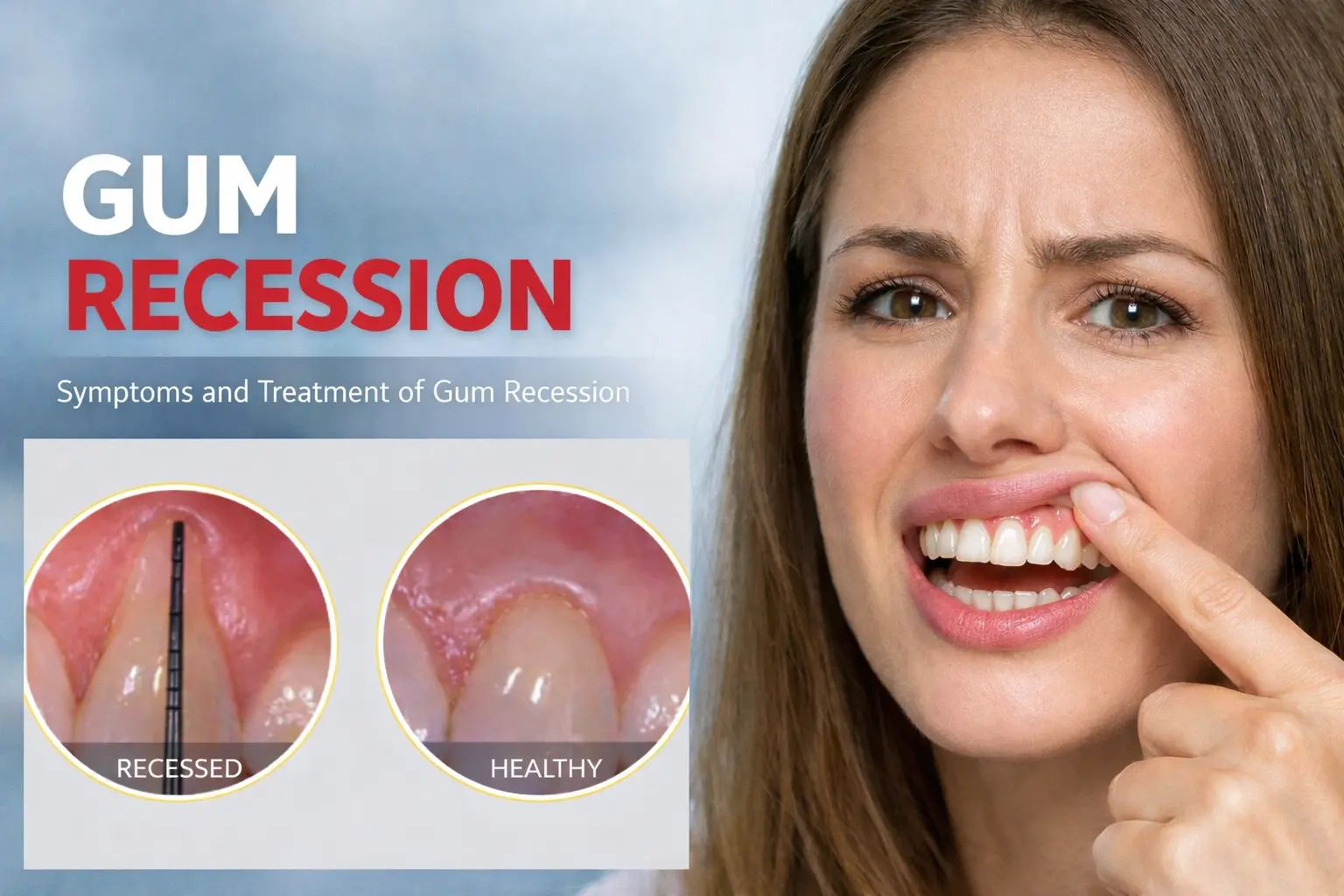
Gum recession is when gum tissue gradually slips downward over time and exposes the root surface. This can lead to tooth sensitivity, root cavities, and cosmetic concerns. Teeth may look longer than usual, sensitivity to hot and cold can increase, and gum bleeding may occur. Gingival recession can happen at any age, and it's common. Gum recession can creep along quietly; most people only notice it once sensitivity or bleeding begins. That's why spotting it early and taking precautions matters.
Herbal remedies and natural methods
There isn't a miracle method that fully reverses gum recession. Still, some natural options may help reduce inflammation and support oral hygiene. Scientific literature shows that thyme (especially wild thyme) and some other plants can support oral health. For example, a wild thyme infusion has antimicrobial and anti-inflammatory effects. A clinical study reported that thyme-based mouth rinses can be effective at a level similar to chemical antiseptics and can reduce gum inflammation. Lab studies also suggest that wild thyme is active against gum pathogens.
Wild thyme remedy recipe:
Add one teaspoon of dried wild thyme to a glass of water and boil it for 5 minutes. After letting it cool and straining it (once it's lukewarm), you can brush your teeth with this water or use it as a mouth rinse.
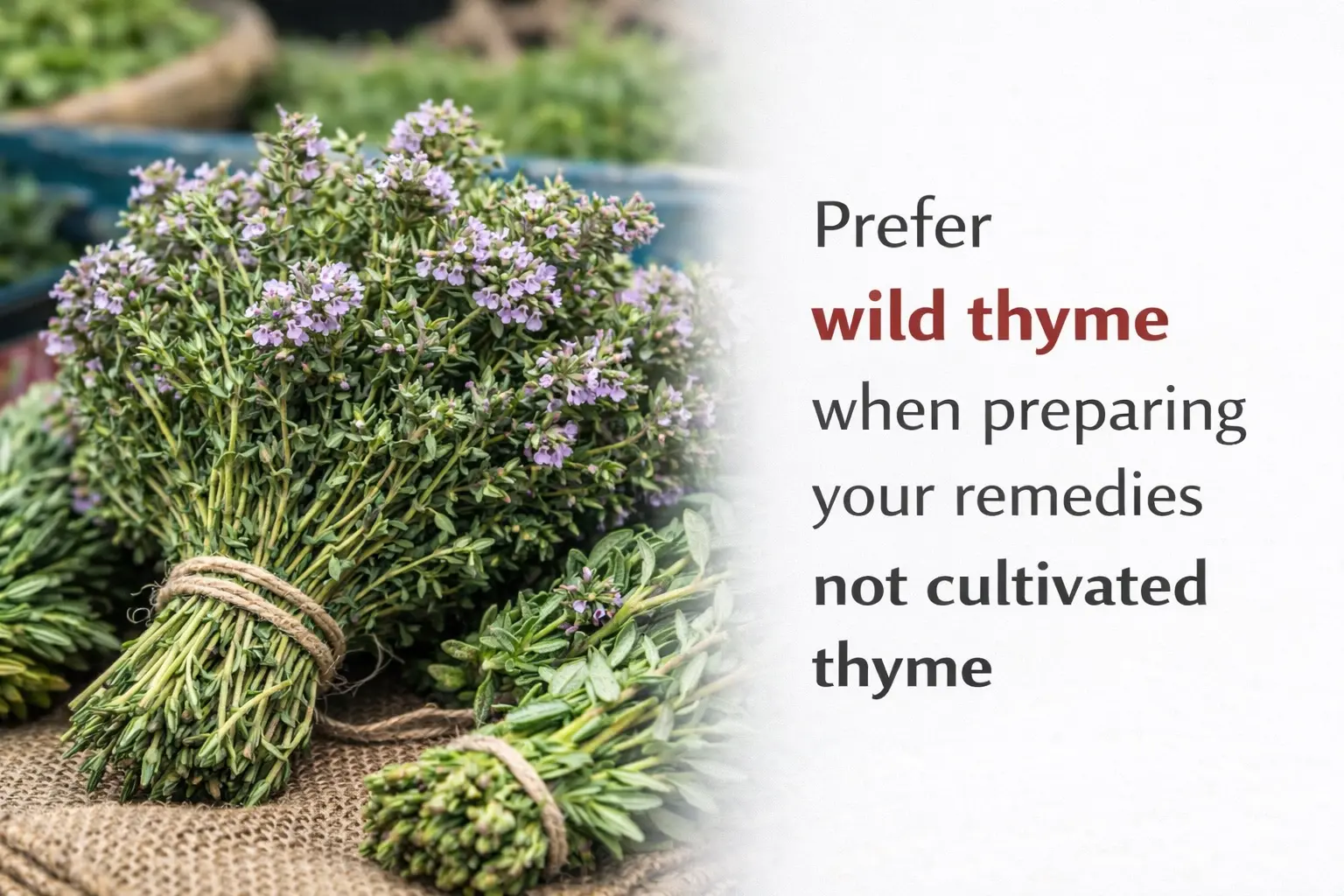
It's recommended to use this remedy after every brushing. With regular use, you may see positive effects within 1-2 months. As a stronger remedy, it's been suggested to use “1 tablespoon of thyme steeped in 1 liter of water for 10-15 minutes.” Making it fresh each time and using it 1-3 times a day can increase the effect.
Green Tea: Natural antibacterial support
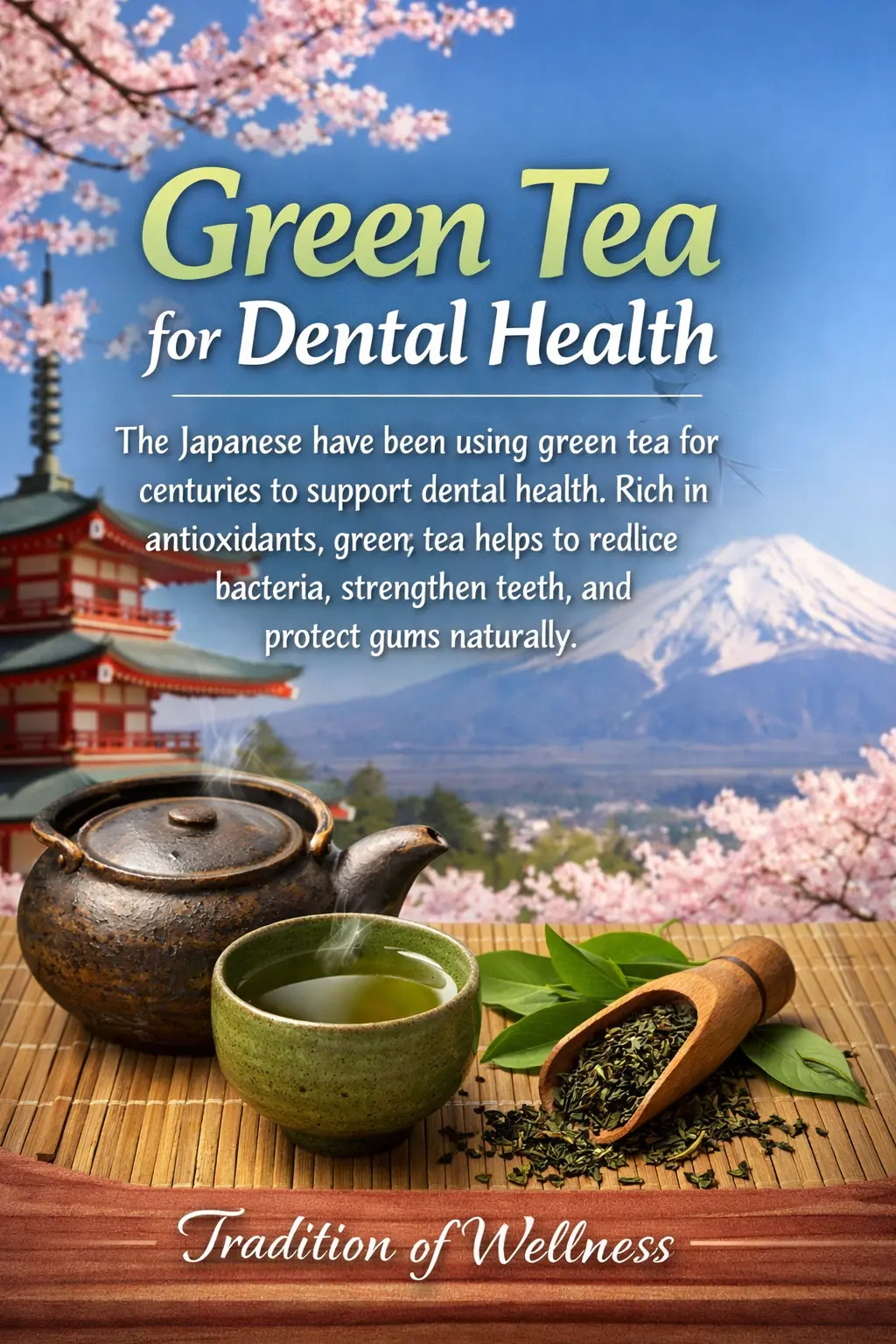
Green tea has become an important part of not just healthy-living trends, but oral health as well. Thanks to the catechins (polyphenols) it contains: it helps suppress the bacteria that cause gum inflammation, it may help reduce gum bleeding, and it can help ease bad breath. Some clinical studies have shown that, in certain cases, a green tea rinse can have an effect on plaque and gingivitis close to chlorhexidine.
How to use it?
- Brew 1 cup of green tea.
- Once it cools down, use it as a rinse.
- If you'd like, you can use it instead of water while brushing your teeth.
Suggested use: Regular use 1-2 times a day for 2-4 weeks is ideal.
Things to watch for:
- Don't use it when it's very hot.
- Drinking too much may cause stomach sensitivity.
Clove: A traditional and effective method
Clove is one of the best-known natural methods that's been used for years to help ease toothache. It can also support oral hygiene and help prevent gum recession. Thanks to the eugenol it contains: it has an antiseptic effect, it has mild pain-relieving properties, and it helps protect against harmful bacteria.
How to use it?
- You can chew 2-3 cloves per day.
- You can make clove tea and use it as a rinse.
- A very small amount of clove oil can be applied using a cotton ball.
Things to watch for:
- Overuse can irritate the inside of the mouth.
- Avoid using the oil directly in a concentrated form.
Aloe Vera: A soothing, restorative effect
Aloe vera can be very soothing, especially for sensitive or irritated gums. Thanks to the natural components it contains: it helps reduce gum inflammation, it helps soothe irritation, and it helps limit bacterial buildup. Some studies have found that an aloe vera rinse can be effective in reducing gum inflammation.
How to use it?
- Pure aloe vera gel can be applied directly to the gums.
- It can be mixed with water and used as a rinse.
- It can be used with a toothbrush as a gentle, massaging application.
How long to use it: It can be used 1-2 times a day for about 3-4 weeks.
Things to watch for:
- If you're prone to allergies, test it on a small area first.
- Choose an additive-free product.
How can we prevent gum recession?
The most basic step in preventing gum recession is maintaining good oral hygiene. Brushing gently with a soft brush at least twice a day, flossing, and using a mouth rinse support plaque control. Don't neglect flossing, and remove food debris that accumulates around capped/crowned areas. Also, seeing a dentist every 6 months for a professional tartar cleaning can prevent early inflammation. Have your brushing technique checked and avoid scrubbing too hard; choose a soft-bristled brush or an electric toothbrush. Using toothpastes with low abrasiveness also helps protect your gums.
Steps include quitting smoking and tobacco products, eating a balanced, antioxidant-rich diet, asking your doctor about an abnormal frenulum between the lip and gums if you have one, and neutralizing mouth acidity (such as asarj tea or a salt-water rinse). These measures are especially important for people who are genetically prone to gum recession (such as those with thin gum tissue or braces). If you keep up the right care early on, progression can be stopped.
Conclusion:
The most effective protection against gum recession is professional checkups and good oral care. Along with regular dentist visits, gentle brushing, and flossing, the natural methods above may be supportive. For example, a wild thyme remedy may help reduce inflammation by helping lower bacteria levels in the mouth. Still, if you have gum recession, be sure to see a specialist; natural options can support you, but they aren't a definitive treatment.